
The case for Canterbury
Is Canterbury worth a UK break?
Plan Canterbury as a compact heritage city where the Cathedral Precincts, Roman street plan, medieval walls, River Stour, theaters, markets, and two rail stations shape the route. Put Cathedral sightseeing, a qualified city tour, a performance, or another dated ticket on the clock first. Use Buttermarket, the High Street, Westgate, St Dunstan's, and the river to connect the rest, then decide whether St Augustine's Abbey and St Martin's Church belong on the same day or need a slower World Heritage route.
Pathfinder Field Notes
Pathfinder Field Notes
Start with named Canterbury places travellers can book, visit, taste, or ask about now. Scouting Picks are early editorial picks we are watching closely as this guide grows.
 Scouting Pick
House of Agnes
Stay just outside Westgate for quick access to Canterbury West station, the old city, a large garden, and a room with its own design story.
 Scouting Pick
The Goods Shed
Step off at Canterbury West, browse Kent produce and specialist counters, then sit down for a meal built around ingredients sold in the same hall.
 Scouting Pick
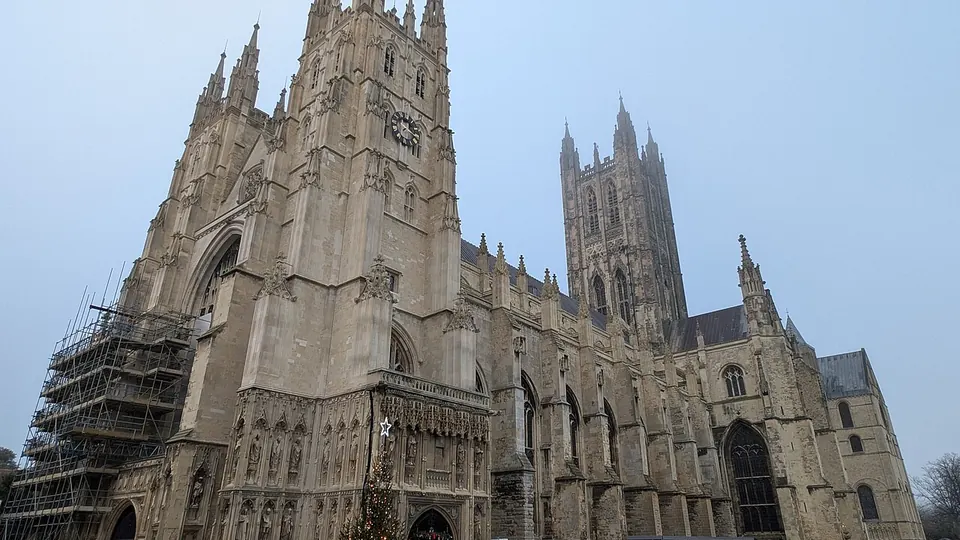
Canterbury Cathedral
Reserve enough time for the Cathedral, Precincts, gardens, exhibitions, and details that disappear when the building becomes a quick exterior photograph.
 Scouting Pick
Canterbury Punting Company
Take a 45-minute guided punt from Water Lane to see central Canterbury from the Stour, with commentary, historic buildings, and no need to steer the boat yourself.
 Scouting Pick
Canterbury Pottery
Walk into the Burgate shop to see what Richard and Jan Chapman are making, compare glazes, and choose a usable piece made in the studio behind the counter.
 Scouting Pick
Canterbury Brewers & Distillers at The Foundry BrewPub
Book the brewery and distillery tour to see grain-to-glass production, taste beers and spirits made on site, and hear how the Victorian foundry shaped the names and stories.
Overview
How to think about Canterbury
Plan Canterbury as a compact heritage city where the Cathedral Precincts, Roman street plan, medieval walls, River Stour, theaters, markets, and two rail stations shape the route. Put Cathedral sightseeing, a qualified city tour, a performance, or another dated ticket on the clock first. Use Buttermarket, the High Street, Westgate, St Dunstan's, and the river to connect the rest, then decide whether St Augustine's Abbey and St Martin's Church belong on the same day or need a slower World Heritage route.
Top attractions
What to build the trip around
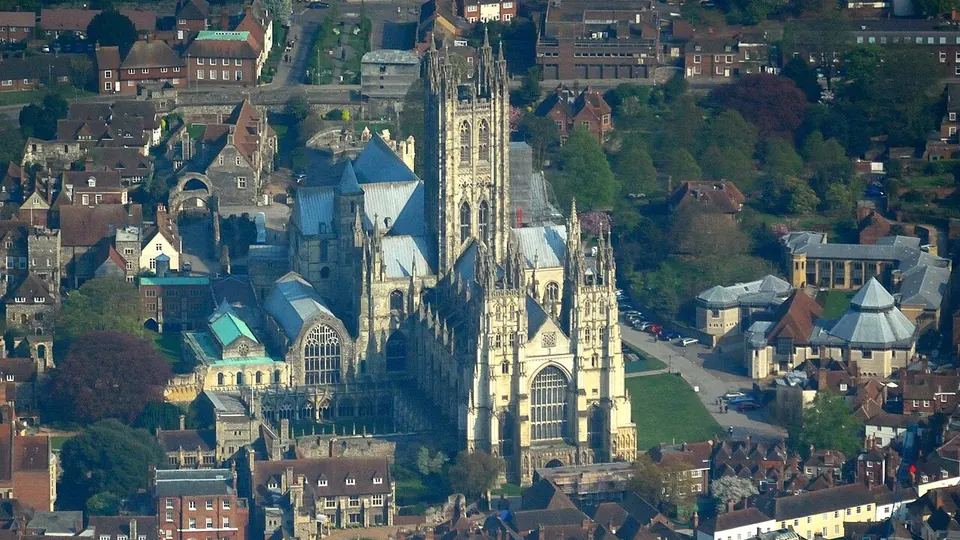
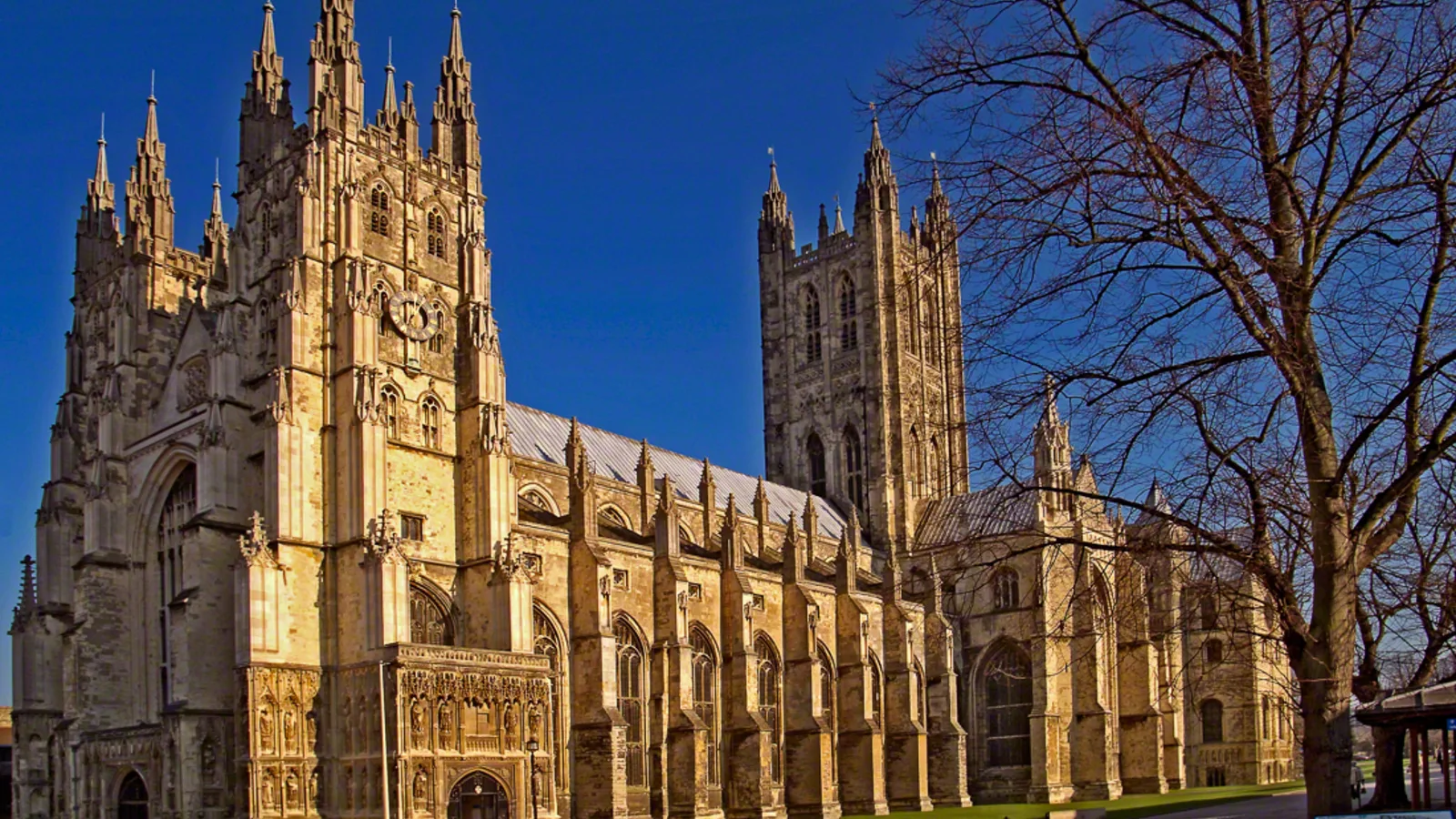
Canterbury Cathedral and the Precincts
Reserve enough time for the Cathedral church, Precincts, gardens, exhibitions, stained glass, crypt, and current talks. Worship, major services, events, and conservation can change sightseeing access, so use the official closure page before fixing the rest of the old-city day.
The three-part World Heritage route
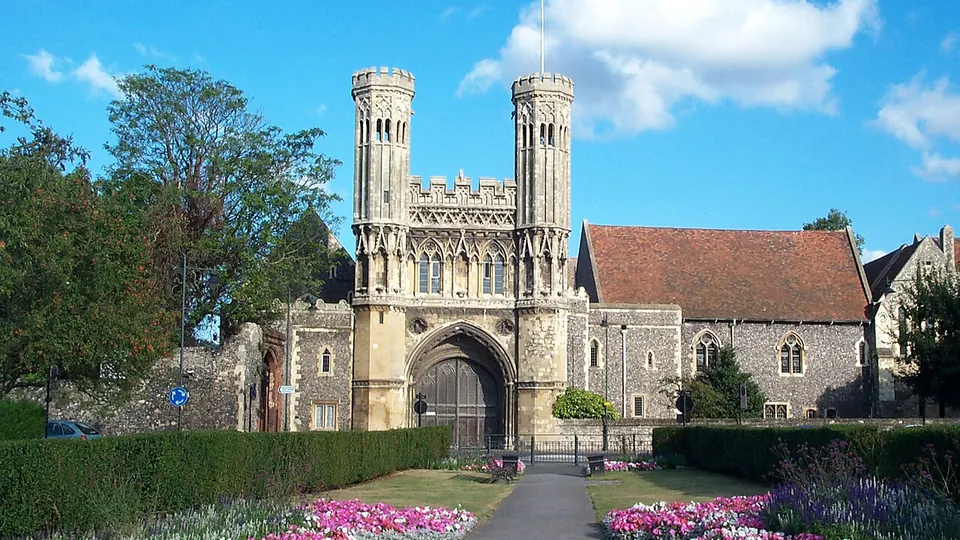
Connect the Cathedral with St Augustine's Abbey and St Martin's Church when the arrival of Augustine, Queen Bertha, early English Christianity, and Anglo-Saxon Kent matter. Compare current admission, opening days, and the in-person World Heritage Pass before walking between the three sites.
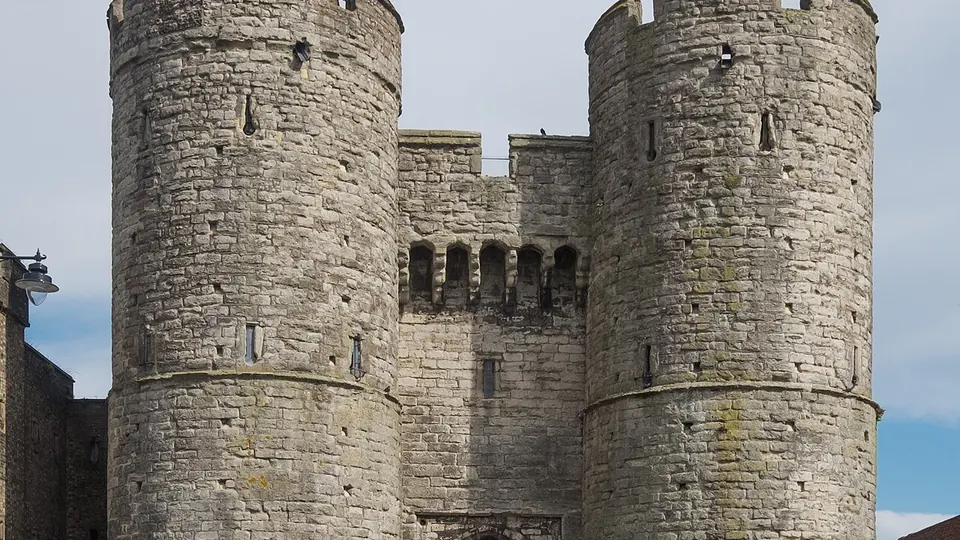
Westgate, the walls, gardens, and River Stour
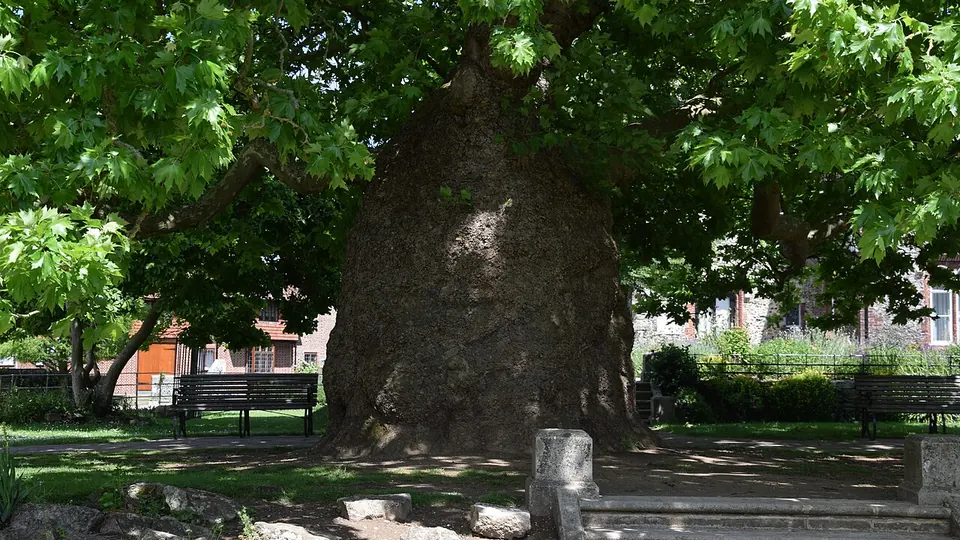
Start at Westgate Towers, walk the gardens, follow a surviving wall section, and use the Stour for a quieter edge to the centre. Tower steps, wall surfaces, river conditions, seasonal boats, and garden events can change the useful route, so keep a street-level alternative.
Roman Canterbury below the shopping streets
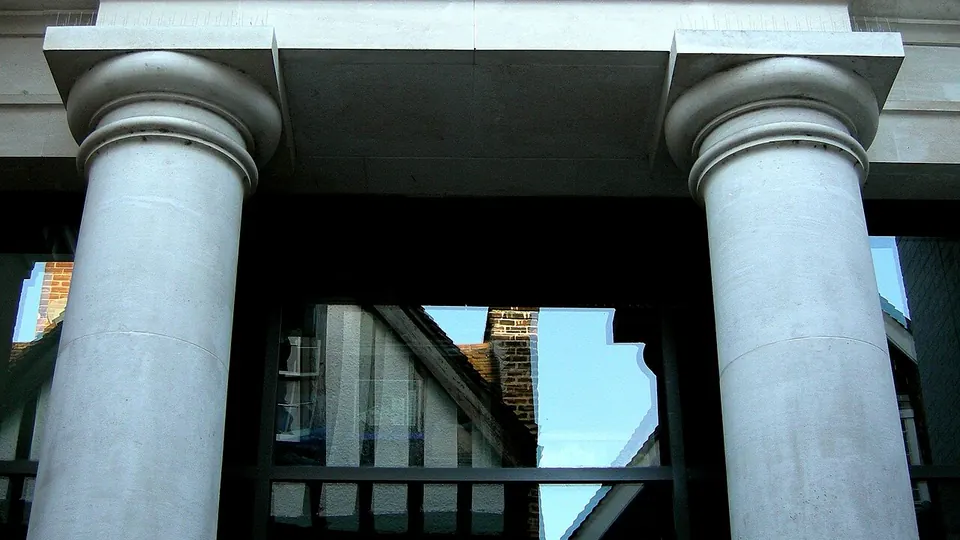
Use the Roman Museum, surviving city-wall line, Dane John area, and street plan to find Durovernum beneath the medieval city. Timed entry and below-ground access make a museum stop more useful than trying to infer the Roman layer from shopfronts alone.
Buttermarket, Burgate, and the Cathedral Quarter
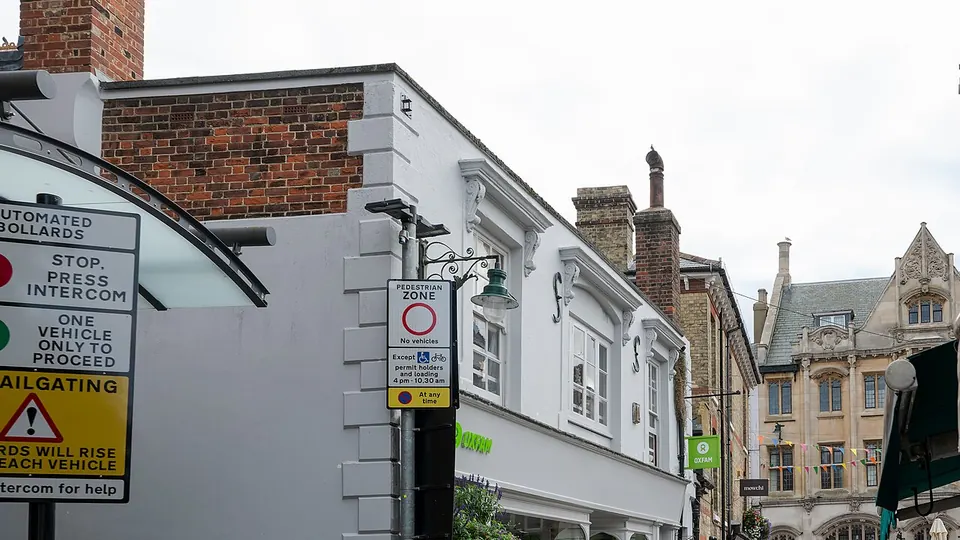
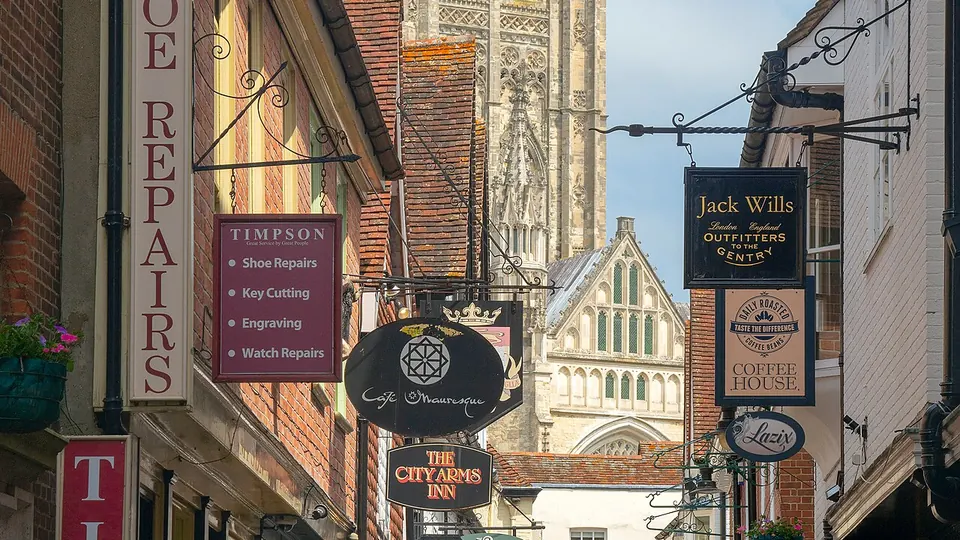
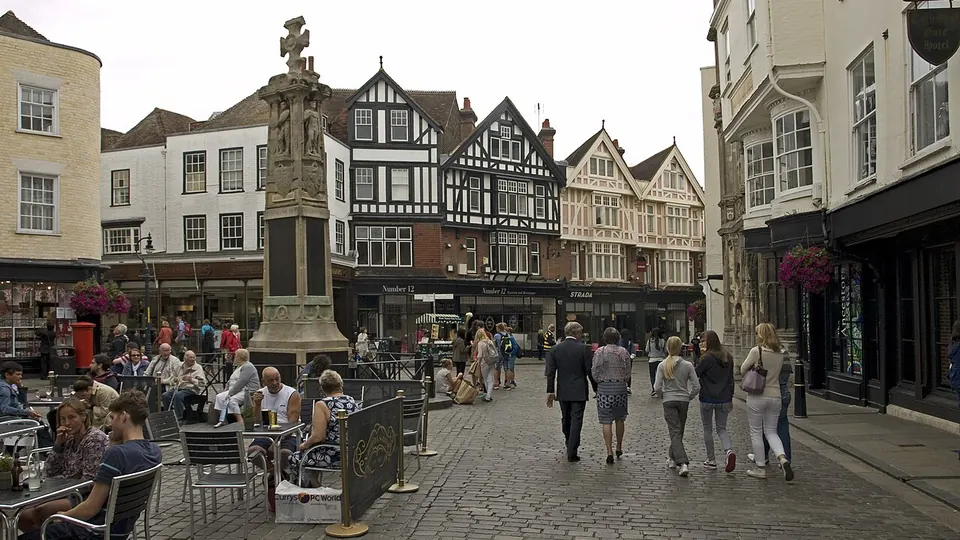
Walk Buttermarket, Burgate, Butchery Lane, Palace Street, and the King's Mile for historic buildings, guided-tour departures, independent shops, makers, food, and the Cathedral gate. Look above the storefronts and check each small business's own opening days.
The Marlowe and the riverside culture route
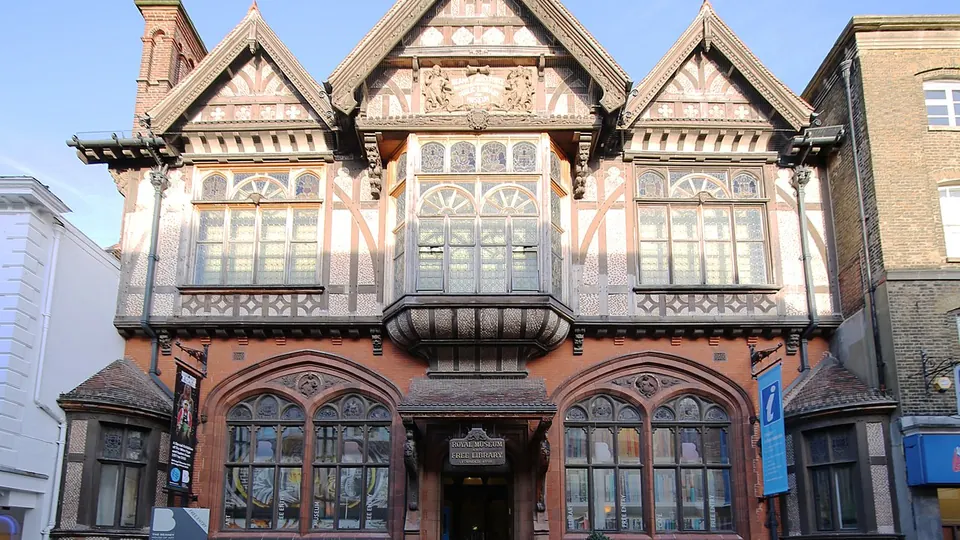
Use The Friars, the Marlowe Theatre, the Beaney, Stour Street, Greyfriars, and King's Bridge as one culture and river cluster. A performance fixes the evening, while museum hours, theater access, and river crossings decide how much fits before curtain time.
Unique stories and facts
The layer that makes it memorable
Pilgrimage built the public story
Thomas Becket's murder, the medieval shrine, arriving pilgrims, inns, gates, and Chaucer put Canterbury on routes far beyond Kent. The Cathedral and old streets make more sense when you connect worship, trade, hospitality, and literature.
Roman, Saxon, medieval, and wartime layers share one centre
The Roman grid sits beneath Saxon Christianity, medieval walls, Huguenot weaving, civic buildings, and streets rebuilt after wartime bombing. A museum or qualified guide helps those periods stay distinct while you walk.
The Stour and two stations change the arrival map
Canterbury West brings you near St Dunstan's, Westgate, and The Goods Shed; Canterbury East puts Dane John and the south side closer. The river links quieter gardens and historic buildings between them, but the best route depends on luggage and the first timed booking.
Best travel seasons
When to visit
Spring
Use longer days for Westgate Gardens, the walls, the World Heritage route, and river paths. Reserve the Cathedral or tour, then keep a museum, maker, or long lunch ready for rain.
Summer
Long daylight supports gardens, river trips, outdoor food, and the walk to the Abbey and St Martin's, while school holidays and group visits increase pressure around the Cathedral. Book the main ticket and evening performance first.
Autumn
A good fit for stained glass, museums, markets, theater, guided stories, and food-led weekends. Wet cobbles, fading daylight, and changing river service make a compact route more reliable than a long list.
Winter
Build around Cathedral access, the Beaney or Roman Museum, independent shops, a long meal, and a performance. Check festive services, holiday closures, market hours, and the last train before the day is fixed.
Popular activities
Beyond the obvious stop
Book Cathedral access around real closures
Use the current visitor page for the date, arrival window, Sunday access, group rules, and closures. Treat free worship and paid sightseeing as different visits, and allow security and queue time.
Take a Green Badge walk from Buttermarket
Join a daily city tour early enough to connect the lanes, pilgrim inns, Precincts, river streets, wartime history, and surviving buildings before exploring alone. The standard walk does not include Cathedral church admission.
Follow the Stour from Westgate into the old city
Walk the gardens and river edge, or book a current operating boat or punt after checking weather, river level, access, and the exact departure point. Do not rely on an old listing when an operator has paused service.
Buy from a maker or Kent food counter
Visit a working pottery, market counter, chocolatier, gallery, brewery, bookshop, or other independent stop where someone can explain the item. Check closure days and order lead times before planning a special purchase.
Lodging options
Where to base the trip
St Dunstan's and Canterbury West base
Stay here for a quick rail arrival, Westgate, The Goods Shed, the river gardens, and an easy walk into the old city. Ask about street or rail noise, parking, stairs, luggage, and the route back after a performance.
Cathedral Quarter and Burgate base
Choose the east side of the centre for early Cathedral access, Buttermarket, Burgate, the Abbey route, and independent shops. Check bells, services, pedestrian restrictions, historic stairs, and vehicle access before booking.
High Street, Stour Street, and The Friars base
Use the central river side for the Beaney, Marlowe Theatre, restaurants, King's Bridge, and an even walk between Westgate and the Cathedral. Event nights, bars, and narrow streets can add noise, so ask where the room faces.
Canterbury East and Dane John base
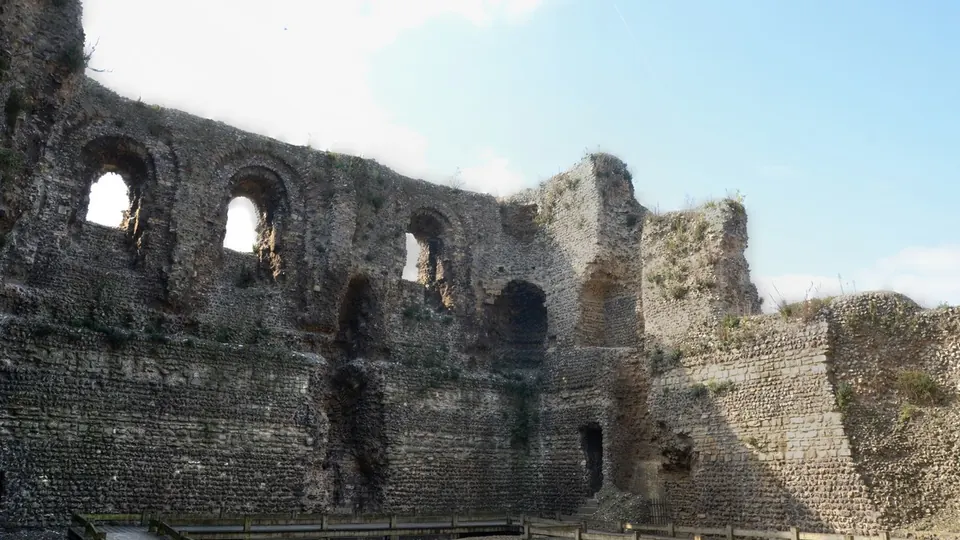
Stay south of the core for Canterbury East station, Dane John Gardens, the wall line, and a short walk to the High Street. Measure the route to the Cathedral or Marlowe before an early ticket or late finish.
Dining
Food and drink anchors
Market lunch or dinner by Canterbury West
Use The Goods Shed for Kent produce, specialist counters, picnic shopping, and a reservable restaurant beside the station. Market and restaurant hours differ, and standard tables need their own booking.
One old-city meal worth reserving
Choose a central restaurant when the kitchen and service should carry the evening. Keep Cathedral access or a tour clear of lunch, tell the restaurant about allergies, and leave a real margin before theater.
King's Mile, Burgate, or maker-led stop
Use the Cathedral Quarter for a small cafe, chocolatier, brewery, pottery browse, specialist shop, or independent lunch. Closure days vary, and made-to-order purchases may not be ready before the trip ends.
Pre-theater food near The Friars
Reserve a meal that respects curtain time, ticket collection, security, and the walk to the correct Marlowe venue. Check whether the show page lists a running time before choosing the last train.
Travel tips
Small planning moves that matter
- Check the Cathedral visitor and closure pages before travel because worship, events, conservation, and Sunday hours can change sightseeing access. The external ticket portal may retain older details.
- Confirm whether Canterbury West or Canterbury East gives the better arrival for your hotel and first booking; the stations sit on different sides of the centre.
- Expect pedestrian streets, cobbles, narrow pavements, old steps, and restricted vehicle access. Ask each venue about the route that fits your mobility needs.
- Book the qualified city tour, performance, important dinner, and busy-date room before group visits, university events, school holidays, or festival weekends.
- Check river operators on their own current sites. Weather, river level, season, and temporary service pauses can make an older tourism listing unreliable.
Trip fit
Recommended duration
Two nights gives you one full old-city day, Cathedral sightseeing, a guided walk or museum, independent food, and an evening after the day visitors leave. Add a third night for the full World Heritage route, a performance, more museums and makers, or a separate Kent side trip. Canterbury itself deserves the first two days.
Best for
- First-time visitors who want the Cathedral, Precincts, medieval lanes, Roman layer, river, and World Heritage sites connected by one workable route.
- Couples and friends planning a rail break around a character stay, reserved meal, qualified guide, maker purchase, and live performance.
- Families who need clear ticket rules, short walking sections, museums, gardens, food stops, and a plan for cobbles or wet weather.
- History travelers, pilgrims, readers, architecture fans, theater audiences, independent shoppers, and returning visitors ready to look beyond the Cathedral gate.
Canterbury has two stations, three World Heritage sites, and centuries under the pavement. Check the first booking before choosing the first direction.
Photo credits
Images used for this destination
Trip match
Why this place might fit
Canterbury gives the UK finder a clear travel signal: history, architecture, old streets, local museums, gardens, and compact walking days. That makes it useful when you are deciding between an obvious UK break and a more personal one.
Use the finder when you want a quick comparison between Canterbury and other UK destinations by timing, budget, transport, trip pace, and how mainstream or offbeat the break should feel.
Nearby ideas
Pair it with another UK stop
 Greater London, England
London
Greater London, England
London
Landmarks, theatre, food, museums, and easy first-time UK energy.
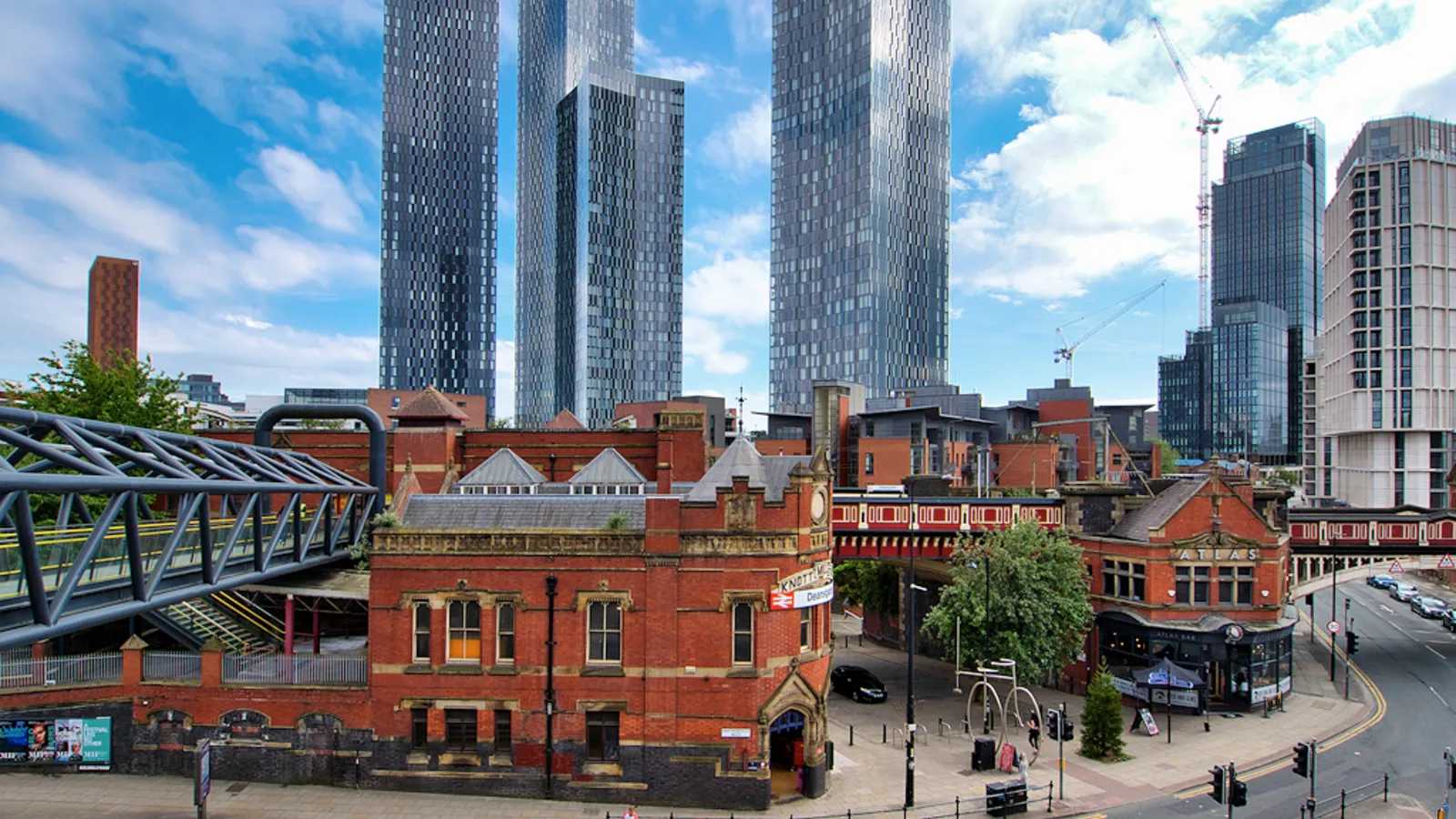 Greater Manchester, England
Manchester
Greater Manchester, England
Manchester
Music, football, food halls, nightlife, and northern city culture.
 Merseyside, England
Liverpool
Merseyside, England
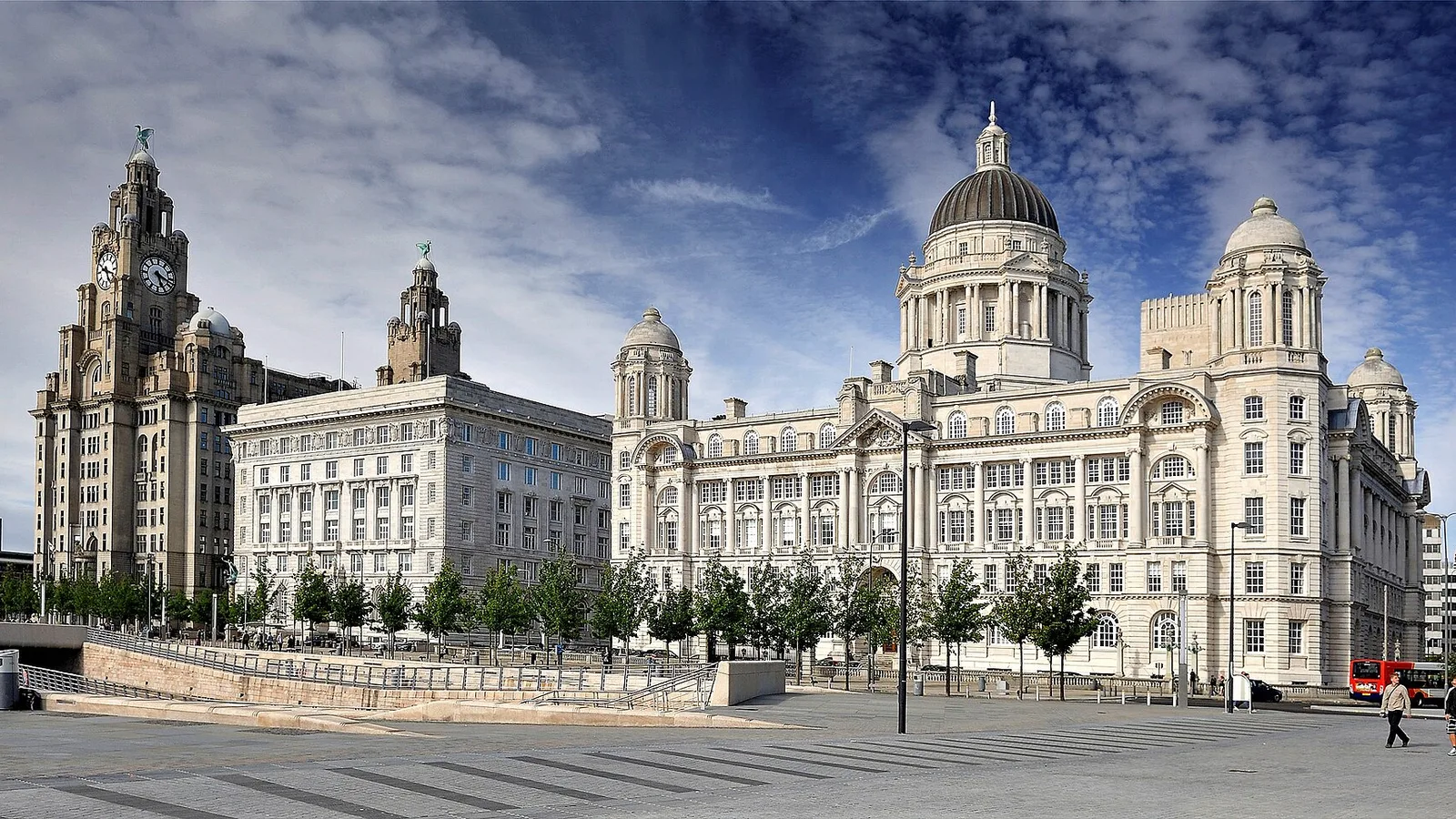
Liverpool
Beatles history, waterfront walks, galleries, pubs, and friendly city breaks.
FAQ
Canterbury travel questions
Is Canterbury good for a UK break?
Yes. Canterbury is a strong mainstream UK break if you want cathedral precincts, medieval lanes, Stour-side heritage, local makers, markets, and live theatre. It is best planned as Heritage Break rather than a generic stop on a rushed route.
What kind of traveller is Canterbury best for?
Canterbury is best for history, architecture, old streets, local museums, gardens, and compact walking days. It fits travellers who want the destination to match their pace and interests.
How long should I spend in Canterbury?
One or two nights can work, with more time if you want restaurants, gardens, or nearby towns. If you are adding nearby places, give yourself an extra night so the trip does not become all transport.
Should I use the UK finder before booking Canterbury?
Yes. The UK finder helps compare Canterbury with similar places by travel style, budget, timing, transport preference, and how offbeat you want the break to feel.