
The case for Oxford
Is Oxford worth a UK break?
Plan Oxford as a compact city whose famous buildings are not always freely open. Put one college visit, a Bodleian tour, a guided walk, a museum, or a punt on the clock first. Use Broad Street, Radcliffe Square, the High Street, and the Covered Market to connect the day, then leave room for a meadow walk or East Oxford dinner beyond the university core.
Pathfinder Field Notes
Pathfinder Field Notes
Start with named Oxford places travellers can book, visit, taste, or ask about now. Scouting Picks are early editorial picks we are watching closely as this guide grows.
 Scouting Pick
Old Bank Hotel
Wake on the High Street with Radcliffe Square, the Bodleian, colleges, and a proper breakfast walk outside the door.
 Scouting Pick
Arbequina
Leave the college circuit for Cowley Road and build dinner from small plates at a zinc-topped bar.
 Scouting Pick
Oxford Walking Tours
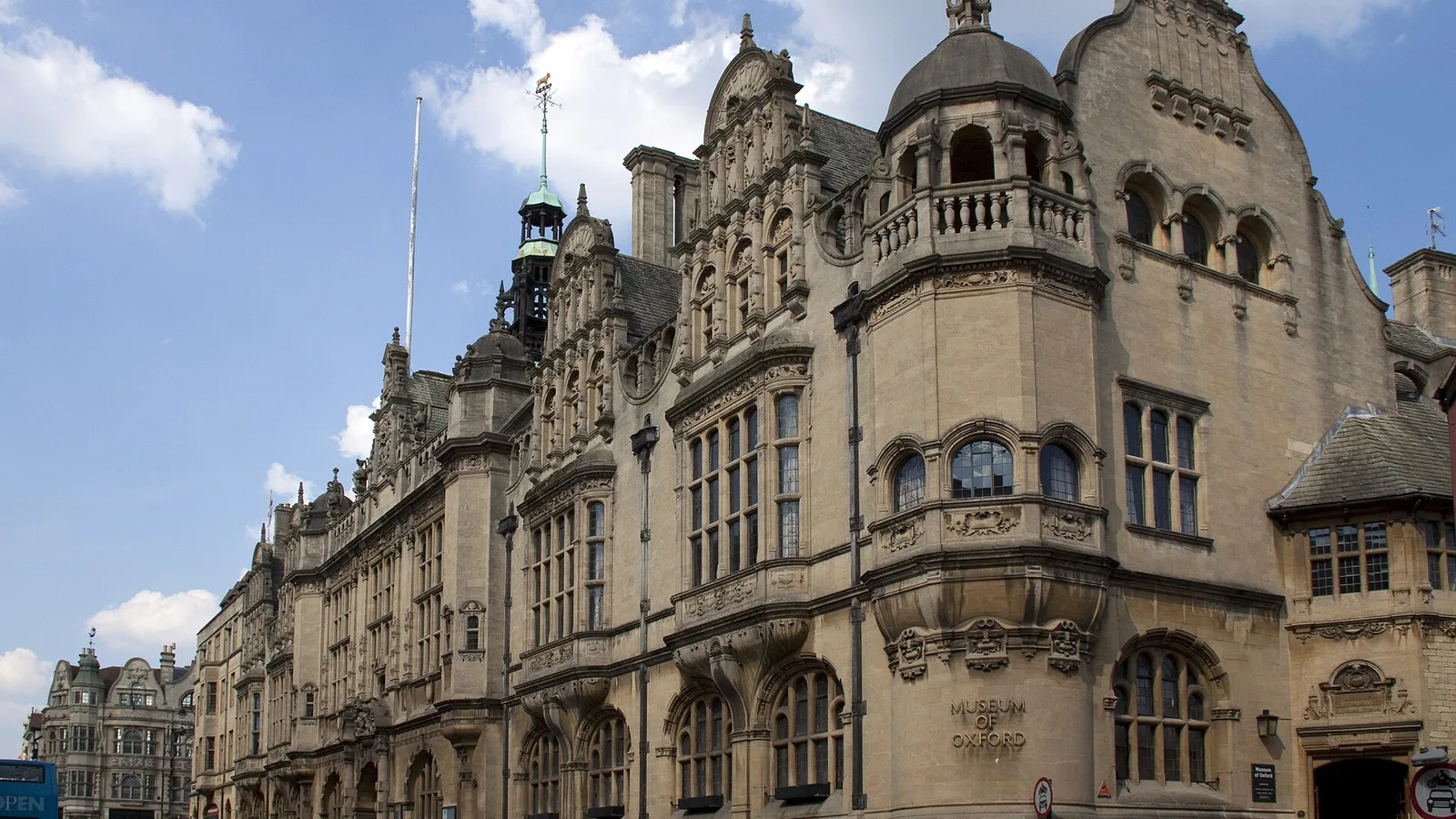
Meet on Broad Street and let a guide connect the college gates, libraries, traditions, and stories that otherwise blur together.
 Scouting Pick
Oxford Castle & Prison
Climb the Saxon tower, descend to the crypt, and follow a costumed guide through the prison side of Oxford's history.
 Scouting Pick
Magdalen Bridge Boathouse
Step down from Magdalen Bridge and trade the High Street for an hour at water level among college gardens and trees.
 Scouting Pick
The Story Museum
Walk into a whispering wood, an enchanted library, and story worlds built for children, with rooms that reward curiosity and movement.
Overview
How to think about Oxford
Plan Oxford as a compact city whose famous buildings are not always freely open. Put one college visit, a Bodleian tour, a guided walk, a museum, or a punt on the clock first. Use Broad Street, Radcliffe Square, the High Street, and the Covered Market to connect the day, then leave room for a meadow walk or East Oxford dinner beyond the university core.
Top attractions
What to build the trip around

Radcliffe Square and the Bodleian Libraries
Start around Radcliffe Camera, the Old Bodleian, the Sheldonian Theatre, and the Bridge of Sighs to understand the university quarter. The working library interiors are reached through specific tours, not ordinary drop-in entry, so reserve the route you actually want.

A college visit with a real opening window
Choose one college and learn it properly. Christ Church, Magdalen, or another visitor-ready college can supply the hall, chapel, quadrangle, and garden context, but ceremonies, teaching, and private events can alter access at short notice.

Ashmolean and the Beaumont Street museums
Use the Ashmolean as a substantial indoor anchor, then look toward the University Museum of Natural History or Pitt Rivers if a second museum fits. Choose the galleries that match your interests and set a time limit so the collection does not swallow the day.
High Street and the Covered Market
Walk the High Street slowly, then turn into the Covered Market for independent traders, food, and a working piece of central Oxford. Continue toward Pembroke Street or the castle quarter when the busiest university lanes start to feel repetitive.

Christ Church Meadow and the rivers
Use the meadow paths for a quieter view of college buildings, the Cherwell, and the Thames side of the city. A punt from Magdalen Bridge adds a water-level route, while weather, daylight, and river conditions should decide how far you go.

Oxford Castle and the west city centre
Cross toward the castle, prison, station side, and modern west end when you want a story outside the colleges. A timed castle tour can combine the Saxon tower, crypt, and prison cells in one structured stop before dinner or the train.
Unique stories and facts
The layer that makes it memorable
The university and city occupy the same streets
Colleges, libraries, shops, homes, churches, markets, and civic buildings share the same streets and courtyards. Notice who uses each space and remember that working academic buildings can close for teaching, worship, or ceremonies.
Access is part of the Oxford story
A closed gate does not mean the day has failed. One booked library or college visit gives the interiors context, while the lanes, markets, museums, churches, and meadows explain how the city works around them.
Water and neighborhoods balance the stone
The Cherwell, Thames, canal, meadows, Jericho, Cowley Road, and Iffley Road pull Oxford beyond its postcard centre. Add one green route or independent neighborhood to balance the towers and quadrangles.
Best travel seasons
When to visit
Spring
Use gardens, meadows, college courtyards, and the first workable punting days, with a museum ready for rain. University events can still change access, so check each booked site.
Summer
Long daylight supports river time and evening walks, while central tours and colleges fill quickly. Start early, reserve the essential interior, and move toward the meadow or neighborhoods when day-trip pressure builds.
Autumn
A strong season for museums, bookshops, architecture, and riverside color. Student terms make the city feel active but can also affect college access and central foot traffic.
Winter
Build around museums, library tours, the Covered Market, a long lunch, and short clear-weather walks. Wet stone, early darkness, restricted seasonal hours, and river conditions all deserve a same-day check.
Popular activities
Beyond the obvious stop
Book one university interior
Choose a Bodleian tour, a visitor-ready college, or another official route that gets you beyond the façade. Read the age, stair, photography, bag, and access rules before paying.
Take a first-hour walking tour
A guide can explain college boundaries, library functions, ceremonies, and the relationship between town and gown before you revisit the centre independently. Confirm the meeting point and included entry.
Punt from Magdalen Bridge
Choose self-drive for the classic learning curve or a chauffeur when the group would rather watch the river. Check weather, boat capacity, footwear, and the operating decision on the day.
Follow one independent street
Use the Covered Market, Cowley Road, Jericho, or another neighborhood cluster for food, shops, and a less formal view of Oxford. Pick one local business where someone can recommend or explain what they do.
Lodging options
Where to base the trip
High Street and Radcliffe Square base
Choose the university core for early walks and short distances to major buildings. Confirm vehicle access, parking, bells, stairs, street noise, and the exact luggage route before arrival.
Station and castle base
Stay west of the central lanes for an easy rail arrival, the castle quarter, and quick departure. Measure the exact walk to your first college or dinner because central addresses do not all feel equally close.

St Giles and Jericho base
Use the north side for museums, pubs, independent Jericho, and a calmer return after the central crowds. Check the evening walk and bus options if most bookings are near the High Street.
Cowley or Iffley Road base
Choose East Oxford for independent food and a more residential city rhythm, often with better value than the central core. Confirm late transport, street noise, and the exact journey to timed morning visits.
Dining
Food and drink anchors
One dinner worth leaving the centre for
Reserve a Cowley Road or Jericho restaurant when food should be a destination, not the closest option after a college tour. Allow travel time and read current menu, age, allergy, and cancellation guidance.
Covered Market lunch
Use the market for an independent lunch, snack, or provisions between central bookings. Traders keep their own hours, so check your chosen business as well as the market building schedule.
Reserved High Street meal
Book a central restaurant when the room, service, or view needs to carry the evening. This works especially well when your hotel or final tour is nearby and nobody wants another cross-city walk.
Café, pub, or bookshop pause
Put one seated break between the library and college portions of the day. A café, historic pub, or independent bookshop stop gives tired feet time to recover and leaves the schedule flexible.
Travel tips
Small planning moves that matter
- Check official college opening information on the day because teaching, ceremonies, worship, and private events can change visitor access. Some colleges charge or require timed booking.
- Reserve the specific Bodleian or college tour you want; famous working library interiors are not covered by ordinary street access and popular tours can sell out.
- Arrive by rail or use current park-and-ride guidance when it suits the trip. Central driving restrictions, bus gates, congestion rules, and parking routes need a fresh check before travel.
- Plan for cobbles, steps, narrow pavements, bicycles, and long periods on foot. Ask each attraction directly about step-free access and companion arrangements.
- Keep punting and meadow walks flexible around weather, river conditions, daylight, and energy after the central route.
Trip fit
Recommended duration
Two nights gives you a full central day, one booked university interior, a museum or river activity, and dinner beyond the busiest lanes. Add a third night for more museums, a slower college visit, Jericho or Cowley Road, and weather flexibility on the river.
Best for
- First-time visitors who want colleges, libraries, museums, and a route that accounts for real access rules.
- Couples and friends building a rail break around architecture, books, a punt, and a dinner worth reserving.
- Families who need an immersive museum, manageable outdoor sections, and choices beyond formal academic interiors.
- Readers, architecture fans, museum visitors, university-history travelers, and returning visitors ready to explore Oxford beyond the postcard centre.
Oxford is easy to cross and impossible to finish. Book one door that opens, then leave enough time for the streets between it and the next idea.
Photo credits
Images used for this destination
Trip match
Why this place might fit
Oxford gives the UK finder a clear travel signal: travellers who like independent shops, books, music, art, folklore, festivals, and memorable local texture. That makes it useful when you are deciding between an obvious UK break and a more personal one.
Use the finder when you want a quick comparison between Oxford and other UK destinations by timing, budget, transport, trip pace, and how mainstream or offbeat the break should feel.
Nearby ideas
Pair it with another UK stop
 Greater London, England
London
Greater London, England
London
Landmarks, theatre, food, museums, and easy first-time UK energy.
 Greater Manchester, England
Manchester
Greater Manchester, England
Manchester
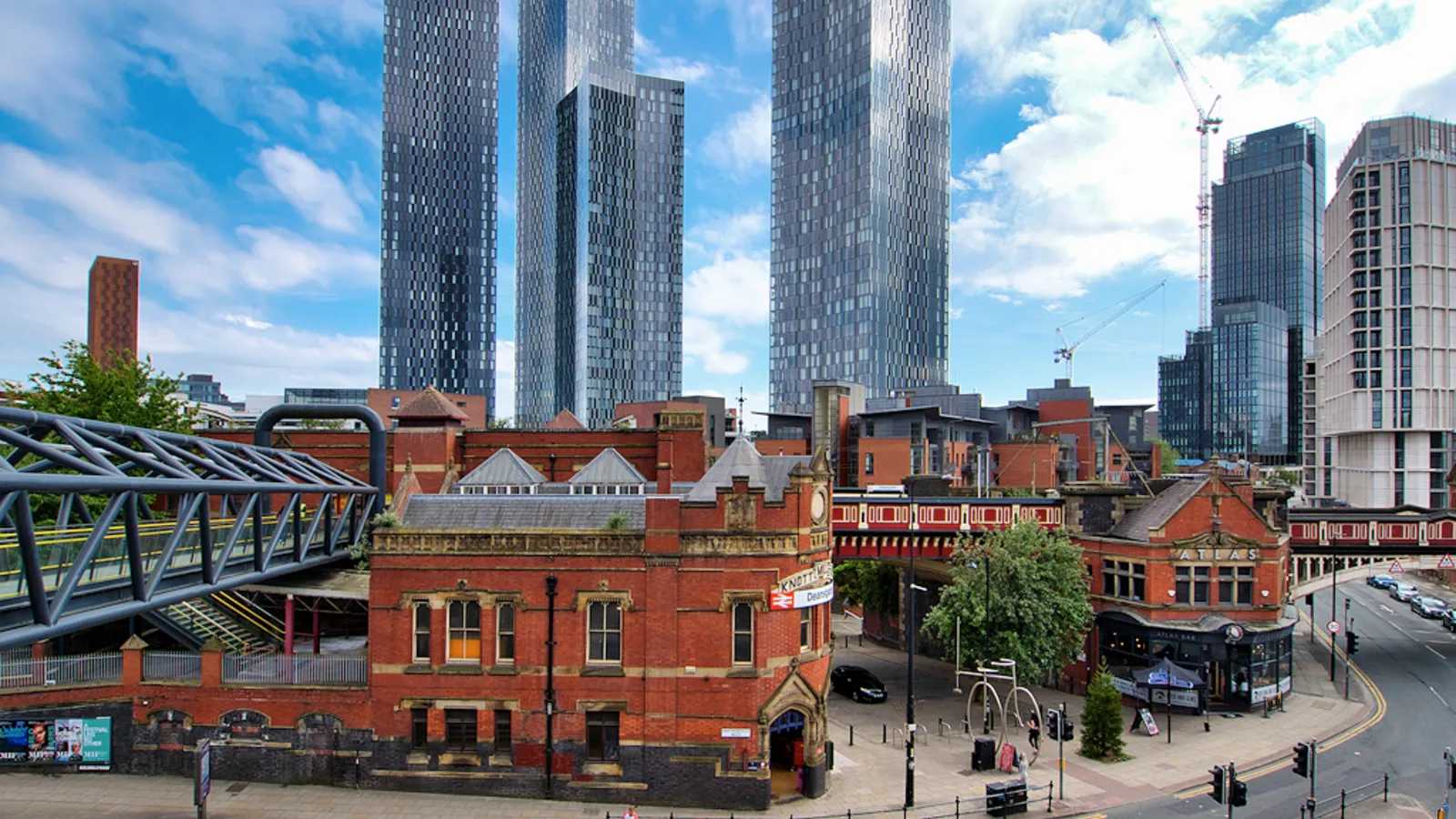
Music, football, food halls, nightlife, and northern city culture.
 Merseyside, England
Liverpool
Merseyside, England
Liverpool
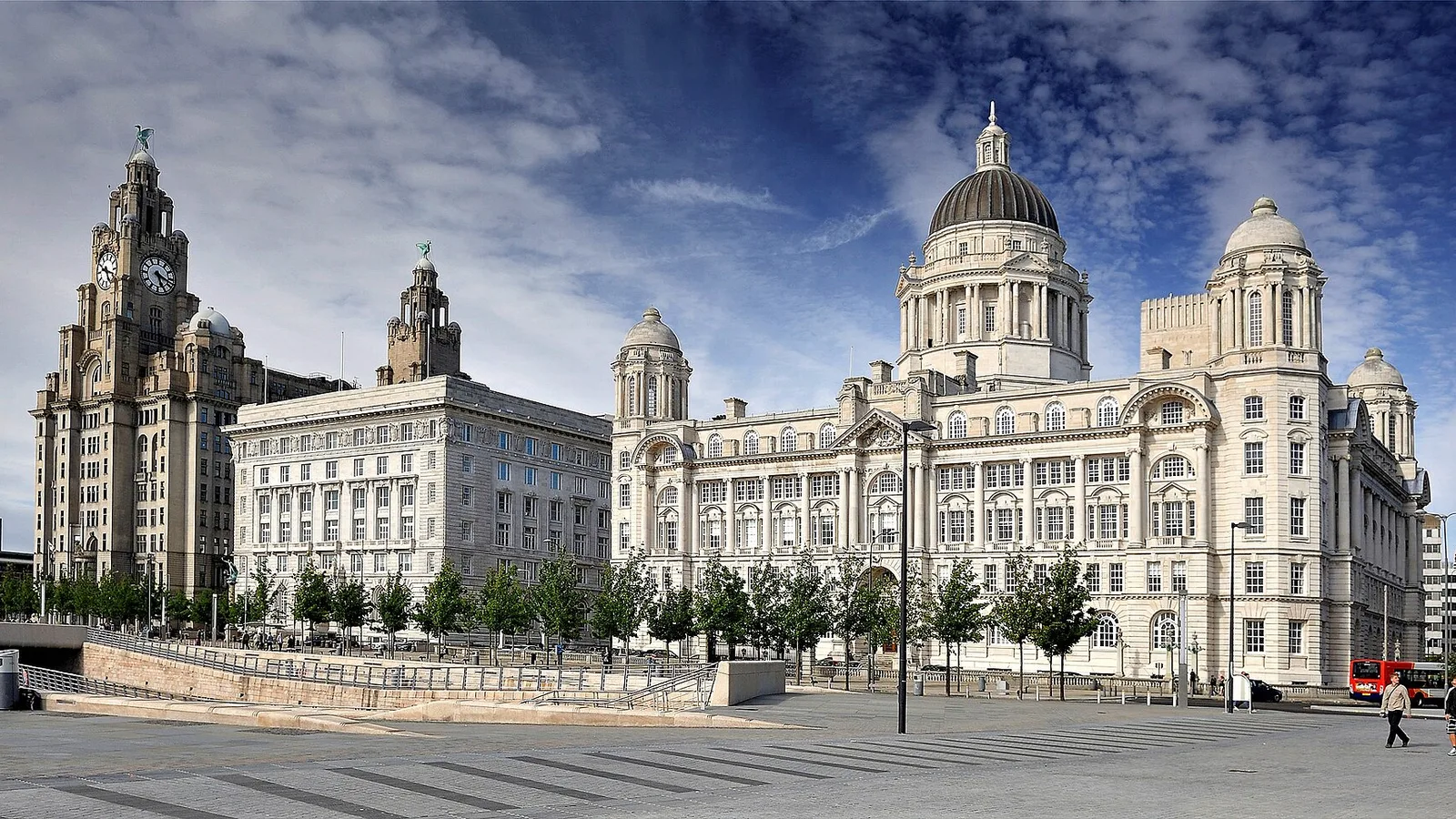
Beatles history, waterfront walks, galleries, pubs, and friendly city breaks.
FAQ
Oxford travel questions
Is Oxford good for a UK break?
Yes. Oxford is a strong mainstream UK break if you want colleges, bookshops, punting, architecture, and classic day-trip appeal. It is best planned as Story-Led Escape rather than a generic stop on a rushed route.
What kind of traveller is Oxford best for?
Oxford is best for travellers who like independent shops, books, music, art, folklore, festivals, and memorable local texture. It fits travellers who want the destination to match their pace and interests.
How long should I spend in Oxford?
A long weekend is ideal because the appeal is in wandering, not rushing a checklist. If you are adding nearby places, give yourself an extra night so the trip does not become all transport.
Should I use the UK finder before booking Oxford?
Yes. The UK finder helps compare Oxford with similar places by travel style, budget, timing, transport preference, and how offbeat you want the break to feel.