
The case for Rye
Is Rye worth a UK break?
Rye is a compact hill town built for walking: medieval lanes and Mermaid Street above, Strand Quay and the River Rother below, and the wider marsh, harbour reserve, Camber and Winchelsea reached by bus, bike or car. Give the old town unhurried time, then add one outward trip instead of trying to treat every nearby coast stop as the same place.
Pathfinder Field Notes
Pathfinder Field Notes
Start with named Rye places travellers can book, visit, taste, or ask about now. Scouting Picks are early editorial picks we are watching closely as this guide grows.
 Scouting Pick
Rye Bay E-bikes
Use an electric bike to link Rye's old town with the harbor, nature reserve, Winchelsea, Camber, and vineyard country without turning every mile into a test.
 Scouting Pick
Rye Chocolates
Taste chocolate made in Rye, then take home a bar, drinking chocolate, gift, or dairy-free option from the High Street shop.
 Scouting Pick
Rye Heritage Centre
Watch the town model compress Rye's long history into 20 minutes, then take that context onto the cobbles with a local guided walk.
 Scouting Pick
Rye Pottery
Visit the working Rye showroom to compare hand-painted pieces, seconds, samples, and one-offs, with a chance of seeing decorators at work.
 Scouting Pick
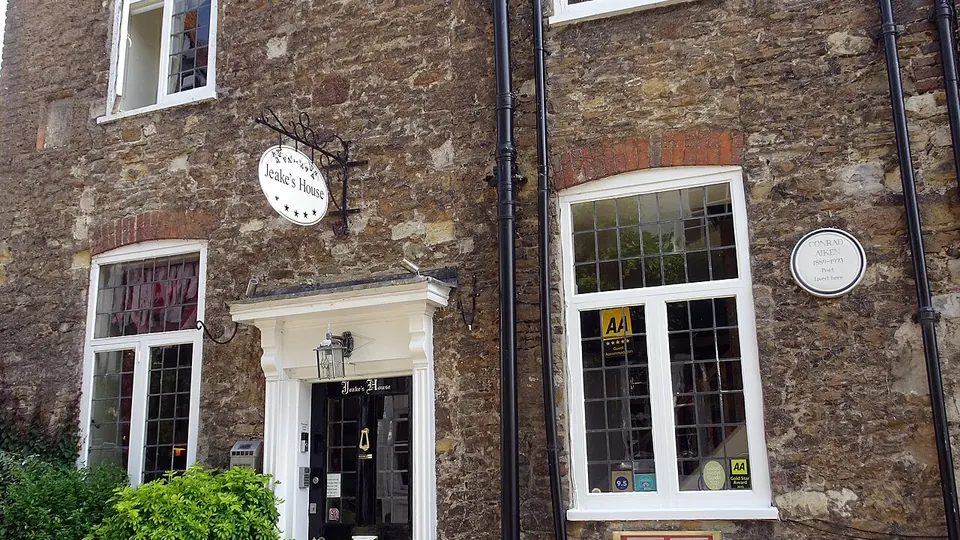
The Mermaid Inn
Sleep on Mermaid Street in a timbered inn whose cellars date to 1156, then ask about the owner-led tour that opens up the building's long, layered history.
 Scouting Pick
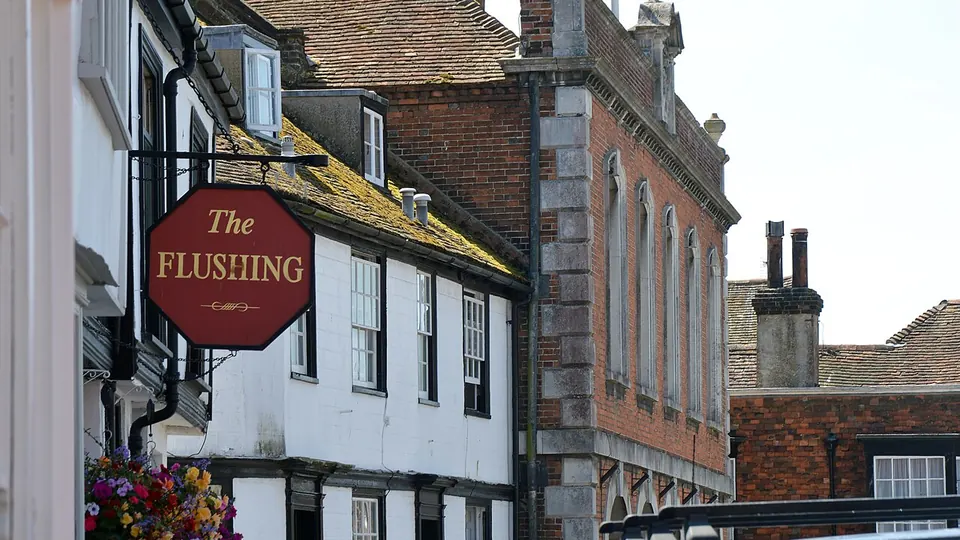
The Union
Book a central Rye table for produce-led plates, or bring a group around one of The Union's feasting menus.
Overview
How to think about Rye
Rye is a compact hill town built for walking: medieval lanes and Mermaid Street above, Strand Quay and the River Rother below, and the wider marsh, harbour reserve, Camber and Winchelsea reached by bus, bike or car. Give the old town unhurried time, then add one outward trip instead of trying to treat every nearby coast stop as the same place.
Top attractions
What to build the trip around
Mermaid Street and the citadel
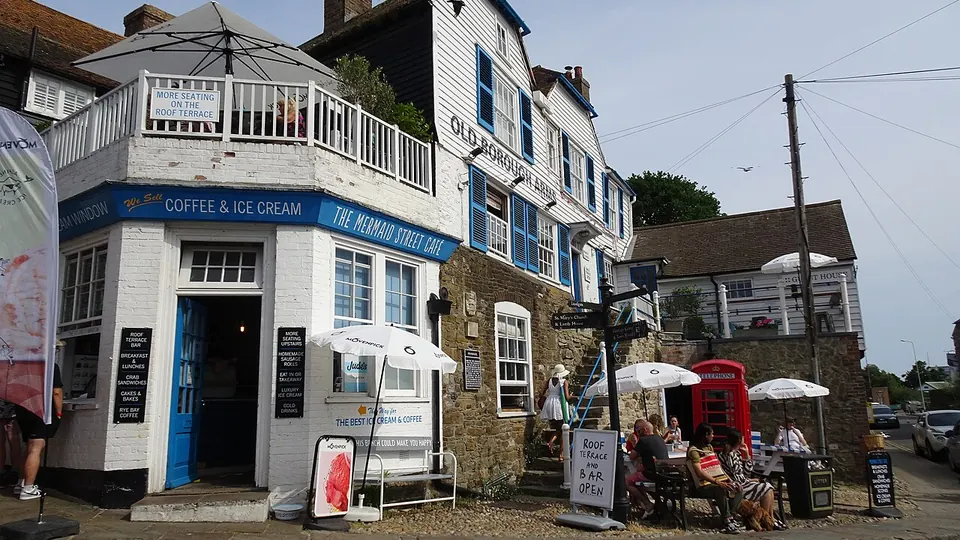
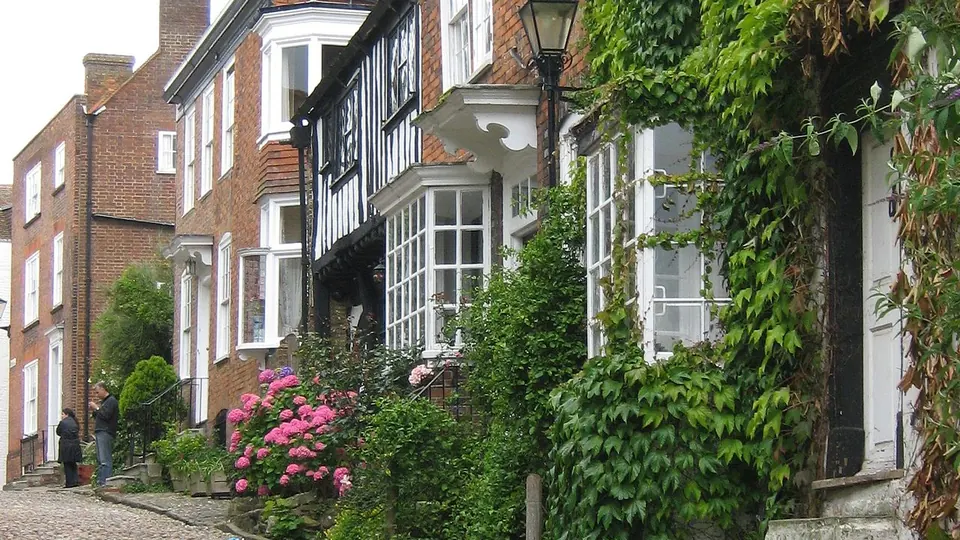
Walk the cobbles early or late, when the timbered inns, brick houses, passageways and rooflines are easiest to notice. The steep surface is part of the character, so use parallel streets when mobility or wet weather makes the cobbles awkward.
St Mary's Church and the town view
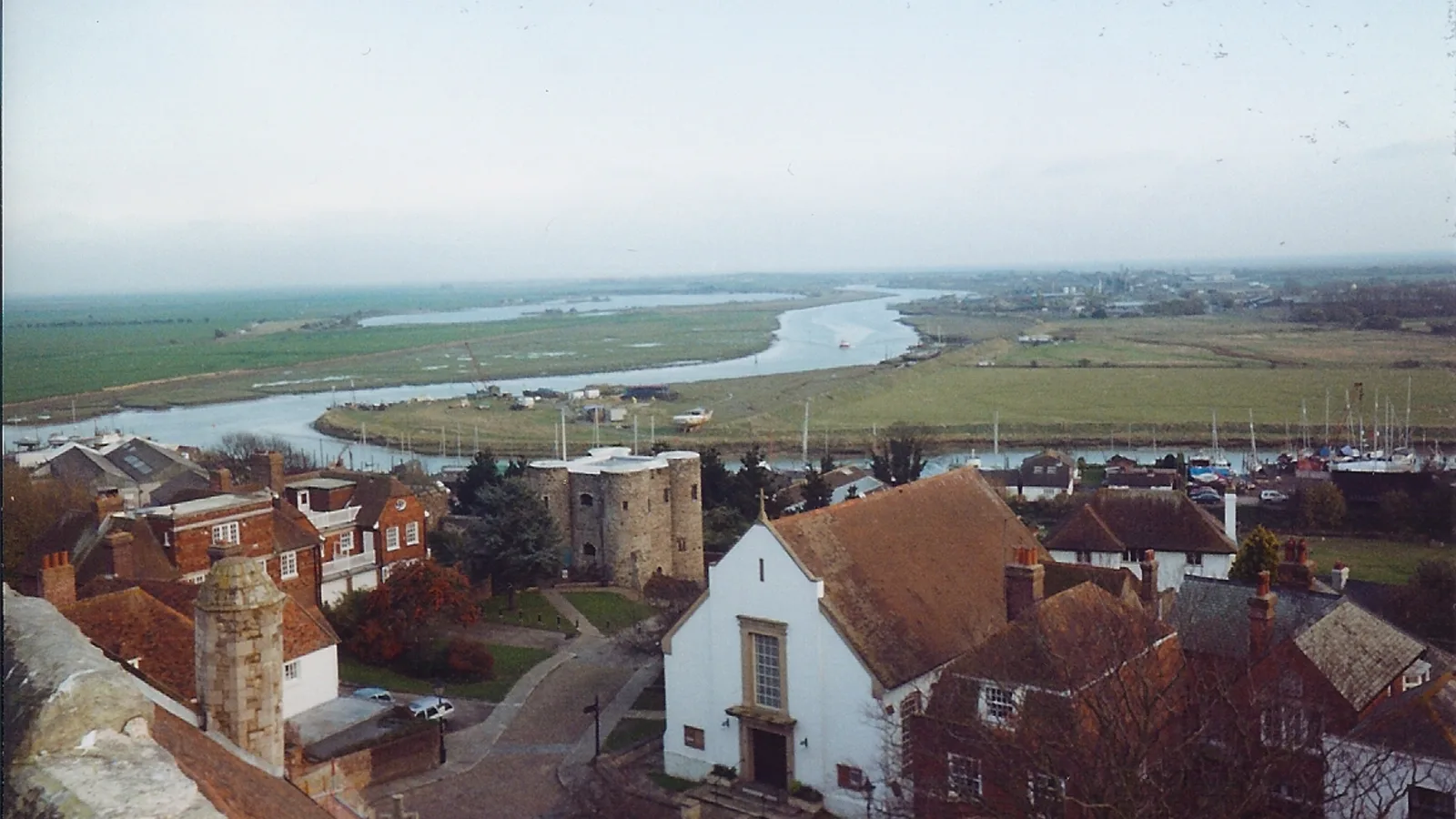
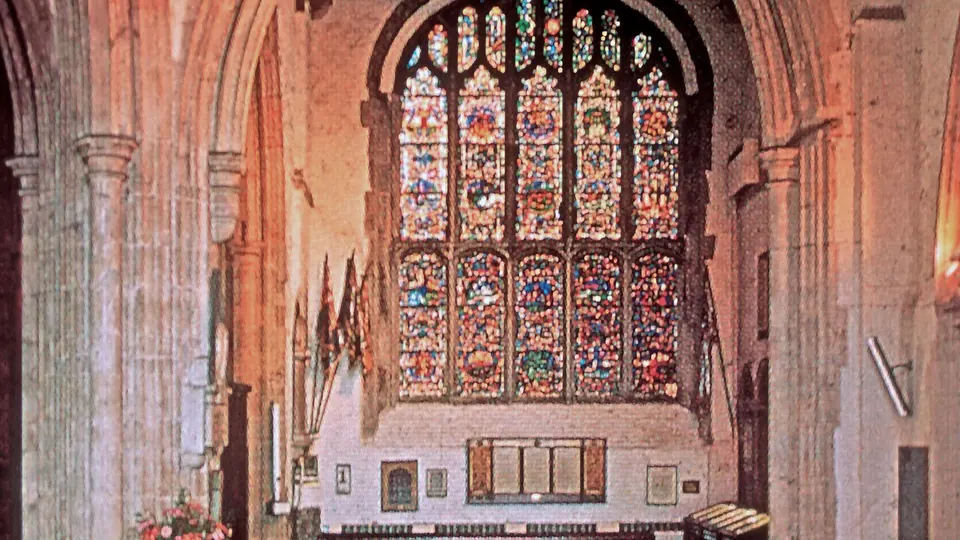
The churchyard anchors Rye's highest ground near the town hall and Ypres Tower. Check current tower access before relying on the climb; the surrounding lanes still give a strong sense of the old town without it.
Strand Quay and Rye Heritage Centre
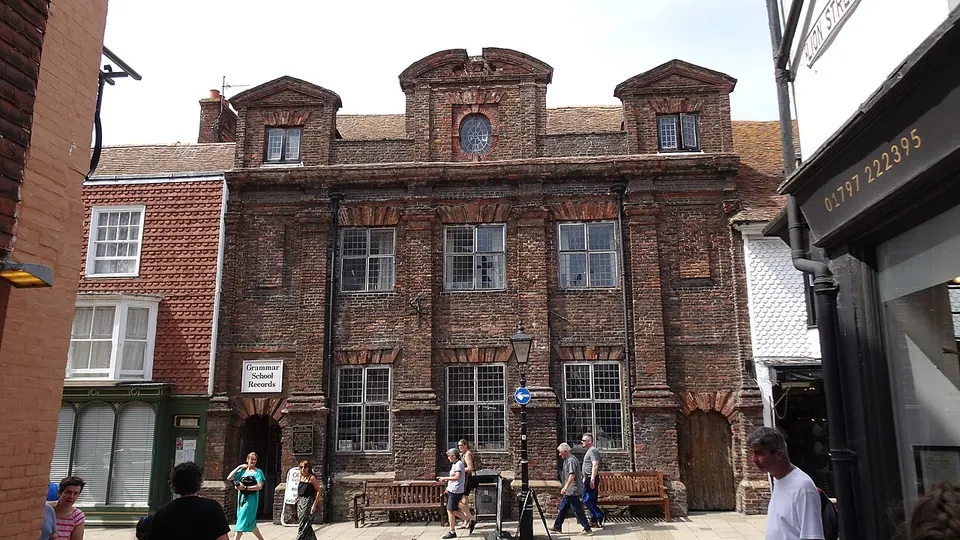
Use the quay as the transition between the elevated old town and Rye's river history. The Heritage Centre's town model and guided walks are useful first stops when you want the streets, trade and smuggling stories to connect.
Rye Harbour Nature Reserve
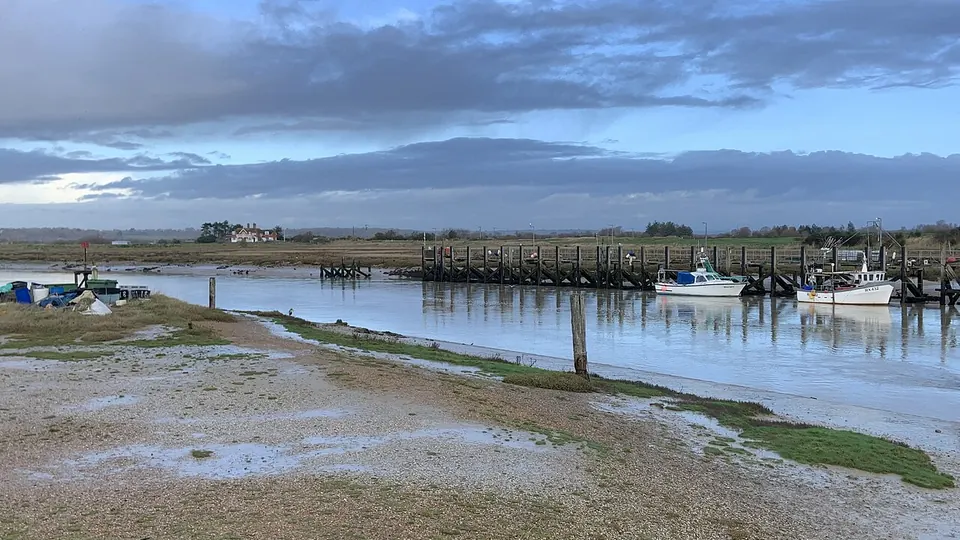
This is the landscape outing: shingle, saltmarsh, bird hides and big horizons southeast of town. Check the reserve's current route and access information, take layers, and do not assume the harbour village is a quick extension of a town-centre walk.
Unique stories and facts
The layer that makes it memorable
A hill town beside changing water
Rye's medieval centre now sits inland from the open sea, but its harbour, river and marsh history still explain the town's shape and outlook.
Cobbles, smugglers and working buildings
The famous stories are easiest to understand through specific places: Mermaid Street, the old inns, Ypres Tower, Strand Quay and the streets joining them.
A real town, not a film set
Rye's appeal comes from independent shops, makers, hospitality businesses and residents using a historic centre every day. Visit with the patience that narrow streets and small businesses require.
Best travel seasons
When to visit
Spring
Good for reserve walks, lighter crowds and longer old-town days. Carry a layer for exposed marsh and harbour sections.
Summer
Best for long days and combining Rye with Camber or the harbour. Book rooms, restaurants, bikes and parking plans early.
Autumn
A strong fit for food, photography and quieter lanes, with changing light across the marsh. Check shorter opening schedules.
Winter
Atmospheric for an inn-led break and uncrowded streets. Build around limited daylight and confirm independent-business hours before travelling.
Popular activities
Beyond the obvious stop
Walk the old town with a route, not a checklist
Link Landgate, the High Street, St Mary's, Mermaid Street and Strand Quay, allowing time for steep cobbles, independent shops and short detours.
Use an e-bike for the wider Rye landscape
A reserved e-bike can connect the harbour reserve, Winchelsea, Camber and vineyard country. Ask the operator to match the route, range and equipment to your group.
Add one focused food or craft stop
Choose a maker, market purchase, tasting or booked meal that has a clear Rye connection rather than grazing through anonymous souvenir stops.
Pair town history with the river edge
Start with the Heritage Centre or a guided walk, then follow the streets down to Strand Quay so the geography makes sense on foot.
Lodging options
Where to base the trip
Mermaid Street and the citadel
Choose this area for historic atmosphere and central walking. Confirm stairs, parking, luggage access and the exact room before booking.
High Street and East Street
A practical central base for shops and dining, with easier links toward the station than the steepest citadel lanes.
Station and river side
Useful when rail arrival and level luggage movement matter. Check the precise walk to the old town and any late check-in arrangements.
Outside the centre
Country inns and coastal stays can work for a wider East Sussex trip, but confirm transport if you want Rye evenings without driving.
Dining
Food and drink anchors
Reserve one central dinner
Rye's small dining rooms fill quickly on busy weekends. Book the meal that matters and check cancellation, dietary and access details.
Buy from a Rye maker
Chocolate, pottery and other locally made products give the visit a specific connection. Ask what is made in Rye and what can be shipped.
Use the quay and harbour distinction
Town-centre dining, Strand Quay and Rye Harbour are separate settings. Check the address before assuming a table is walkable from your room.
Keep a flexible daytime stop
Independent opening days change. Choose a backup cafe or shop and leave enough time for a place that rewards browsing rather than rushing.
Travel tips
Small planning moves that matter
- Rye station is close to the centre, but the final approach to the citadel includes slopes, cobbles and narrow pavements. Plan luggage and mobility needs before arrival.
- Use trains for Rye itself and local buses for some nearby trips; reserve a car, taxi or bike only when your wider route genuinely needs one.
- Rye Harbour Nature Reserve and Camber Sands are separate outings from the old town. Check current transport, weather, access and return timing for the exact place you choose.
- Historic inns and small shops can have stairs, uneven floors and limited space. Ask the business about the exact entrance, room or table rather than relying on a general accessibility label.
- Weekend rooms and dinner tables sell first. Reserve those anchors, then leave the rest of the old-town walk flexible.
Trip fit
Recommended duration
Two nights gives Rye enough room for the old town, one booked food or maker stop, and either the harbour reserve, Camber or Winchelsea without compressing everything into a day trip.
Best for
- Couples and friends who like historic small towns
- Independent food, craft and shop travelers
- Walkers, birders and photographers adding the marsh or harbour
- Rail travelers comfortable with slopes and cobbles
Rye is small enough to cross on foot and layered enough to keep interrupting that plan. Leave room for the lane, shop or view you did not expect.
Photo credits
Images used for this destination
Trip match
Why this place might fit
Rye gives the UK finder a clear travel signal: historic lanes, independent food and craft, river history, photography, birding and one well-planned outing beyond the old town. That makes it useful when you are deciding between an obvious UK break and a more personal one.
Use the finder when you want a quick comparison between Rye and other UK destinations by timing, budget, transport, trip pace, and how mainstream or offbeat the break should feel.
Nearby ideas
Pair it with another UK stop
 Greater London, England
London
Greater London, England
London
Landmarks, theatre, food, museums, and easy first-time UK energy.
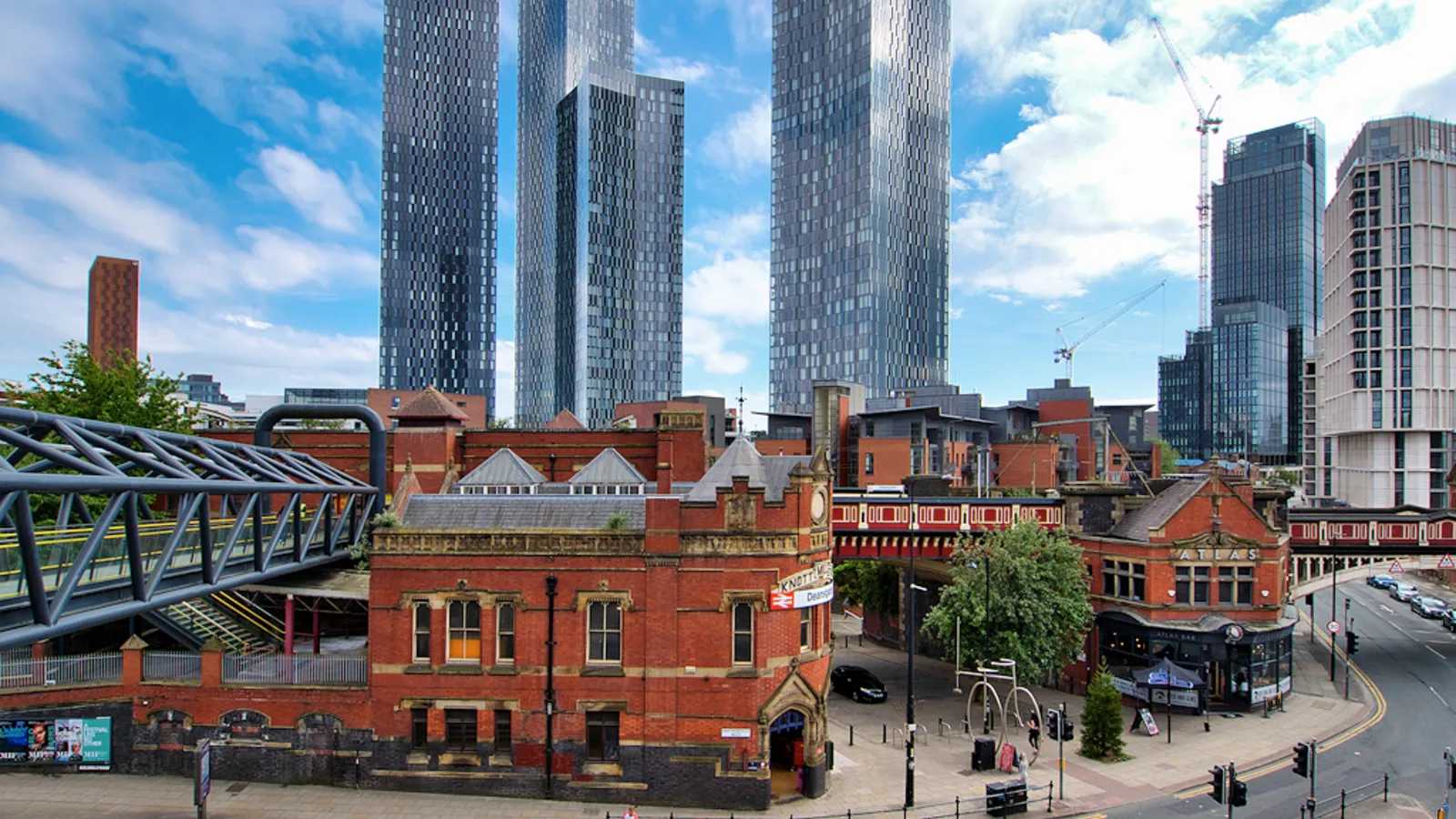 Greater Manchester, England
Manchester
Greater Manchester, England
Manchester
Music, football, food halls, nightlife, and northern city culture.
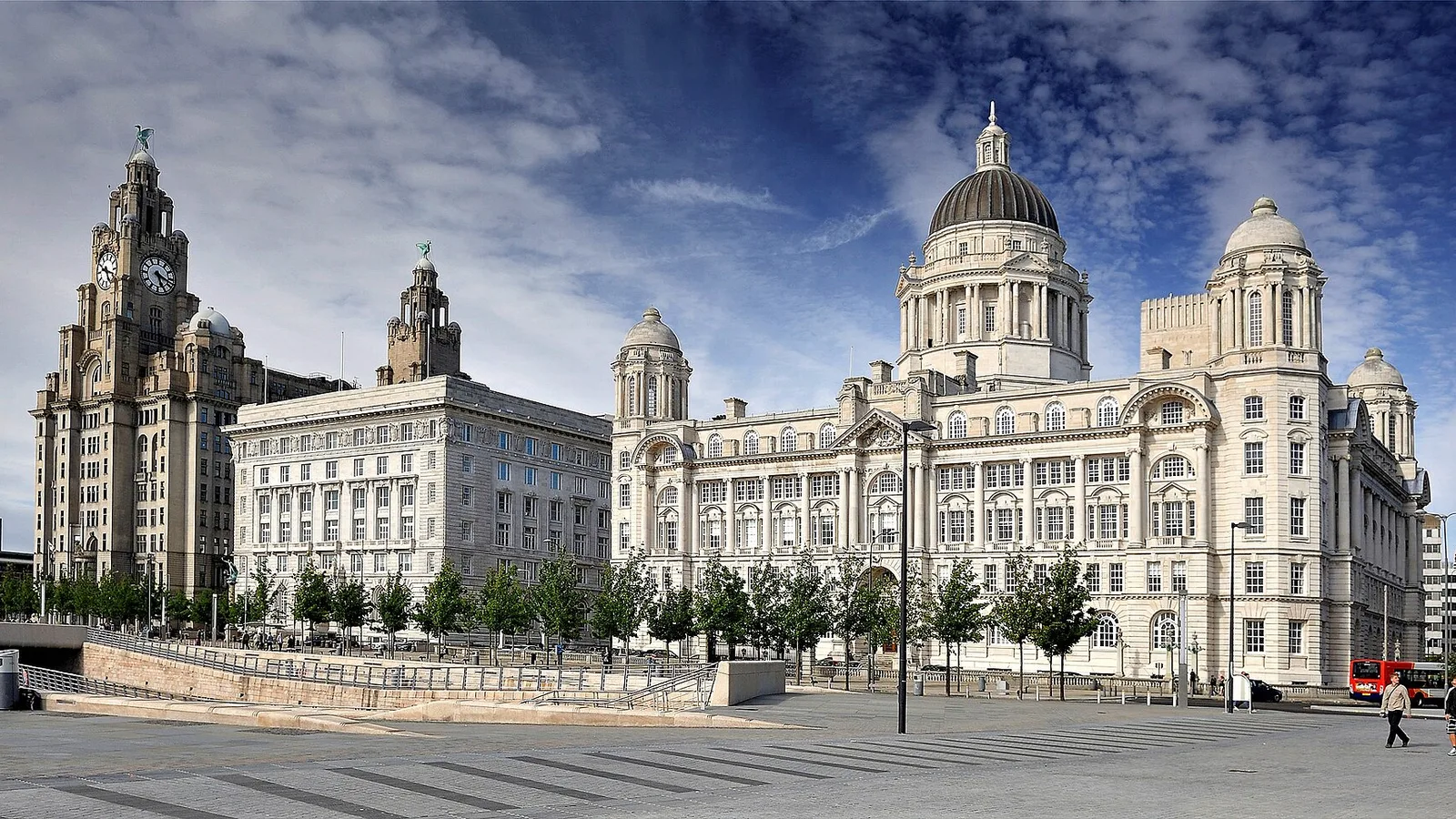 Merseyside, England
Liverpool
Merseyside, England
Liverpool
Beatles history, waterfront walks, galleries, pubs, and friendly city breaks.
FAQ
Rye travel questions
Is Rye worth a UK break?
Yes when you want a compact historic town rather than a resort. Two nights gives you the old lanes, a booked meal or maker stop, and one wider outing without rushing.
Can I visit Rye without a car?
Yes. Rye station is close to the centre, although the citadel has slopes and cobbles. Local buses, taxis and pre-booked bikes can cover some wider trips; check the exact return plan before setting out.
Are Rye Harbour and Camber Sands in the old town?
No. Rye Harbour Nature Reserve and Camber Sands are separate outings. Confirm the correct destination, transport, weather and access information instead of treating them as extensions of a town-centre walk.
How long should I spend in Rye?
Stay two nights for an unhurried old-town day plus one harbour, marsh, Camber, Winchelsea or cycling outing. A day trip works if you keep the plan to central Rye.
What should I book ahead in Rye?
Book the room and dinner that matter first. Reserve bikes, guided walks and timed attractions when they anchor the trip, and confirm stairs, parking or mobility details directly with historic venues.